
The Origin of the Name
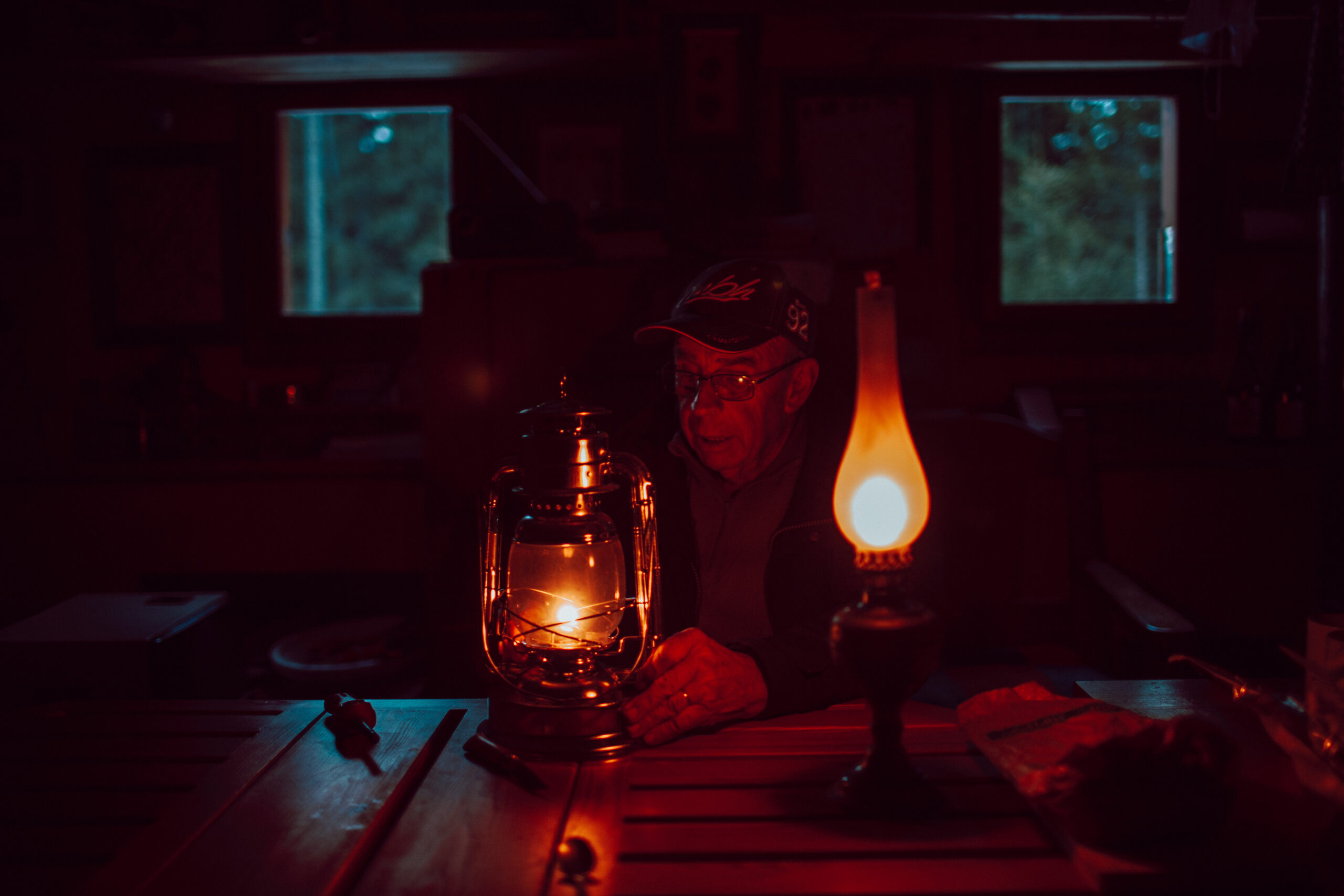
The Institute takes its name from the “refuge”, the small mountain cabin that holds such an iconic place in Alpine culture. It symbolizes protection and solidarity: a place where knowledge and imagination weave together through the seasons. The refuge is an age-old space of transmission, where collective stories are born.
An arts & sciences ecosystem
Indigenous Cinema
Founded by Aurélie Debusschère, filmmaker and researcher, the Refuge Institute — the Science of Imaginaries — is an independent film-creation workshop nestled in the Northern Alps of Haute-Savoie, France.
The Institute operates on an itinerant, partnership-based model: rather than a fixed home of its own, it relies on a network of cultural and natural venues to carry out its mission.
Its vocation is to create collective, indigenous, "rooted" cinematic works, made with local people, to tell the story of their land in all its diversity.
At its heart lies one research question: How can the collective creation of a film transform a territory?
At the intersection of belonging, knowledge transmission, and living together, the Institute invites you on a thrilling adventure.
A participatory & citizen science
Rooted Cinema
From mountains to valleys, the Refuge Institute is organized into four hubs that give local film productions a sustainable life, because culture is about far more than cheese.
Science Hub
REFUGE Lab
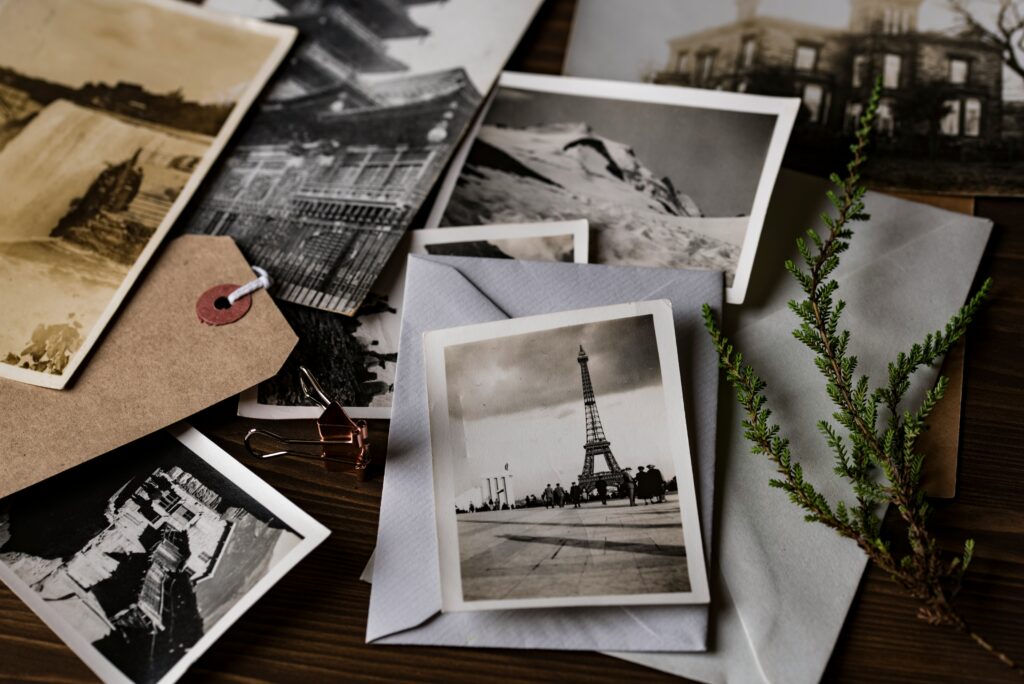
Anthropological fieldwork and oral archives — the Lab prepares the human material of each film.
Before each film, the Lab runs field research: interviews with local residents, collection of oral archives, and the recovery of forgotten stories. This living material feeds the writing of the film and forms the first data layer of the Atlas of Stories. Like an observatory, the Lab explores the Institute's central research question, produces impact reports, and shares its findings.
Cinema Hub
REFUGE Studio
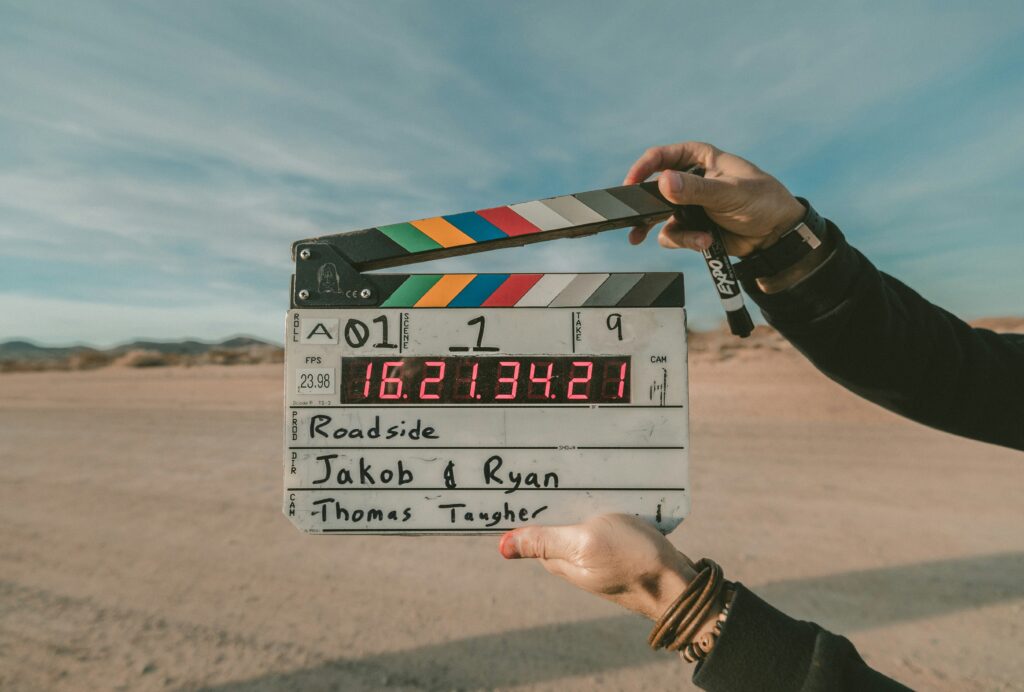
Collective, participatory production — where research becomes film.
The Studio is the Institute's production space, working across genres from creative documentary to fiction, in short or feature format. It is itinerant, hosted in residencies at partner venues in Haute-Savoie and beyond. Production is collective from A to Z: local people are at once subjects, co-authors (screenwriters, directors, actors, composers…) and researcher-investigators. Each project is a living laboratory of research-creation, social bonding, and skills transmission.
Events Hub
REFUGE FESTIVAL
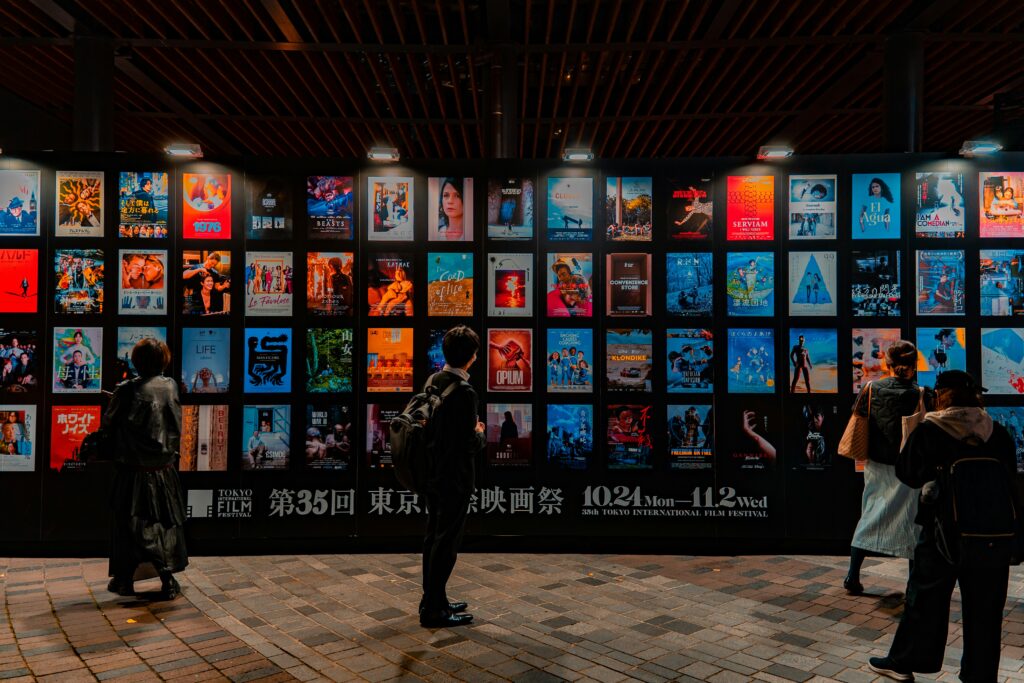
Screenings, debates, film clubs — the film returns to where it was born.
After the shoot, the film travels back to its territory and its audiences through a festival of screenings, debates, film clubs, and encounters between filmmakers, researchers, artists, and the general public. The Festival also features Music for Science, a hybrid format in which researchers take the stage during concerts to open up science and knowledge to all.
Travel Hub
REFUGE EXPERIENCE
Film export, tours, intercultural exchanges — stories travel.
The films produced by the Institute don't stay in their home region. The Experience organizes their circulation: national and international festival tours, intercultural exchanges with other territories, and research trips. This is the hub that carries local stories to universal horizons — and brings back practices and perspectives from elsewhere to nourish future projects.
The Atlas of Stories
The Atlas of Stories is the Institute’s living archive system.
With each production, new material enriches it: audio recordings of elders, field photographs by young researcher-directors, tales rediscovered in an old attic… Together they form a digital media library preserving the behind-the-scenes memory of our films.
The Atlas is an open-science tool: some layers are open to everyone, while others unlock as your involvement in the community grows.